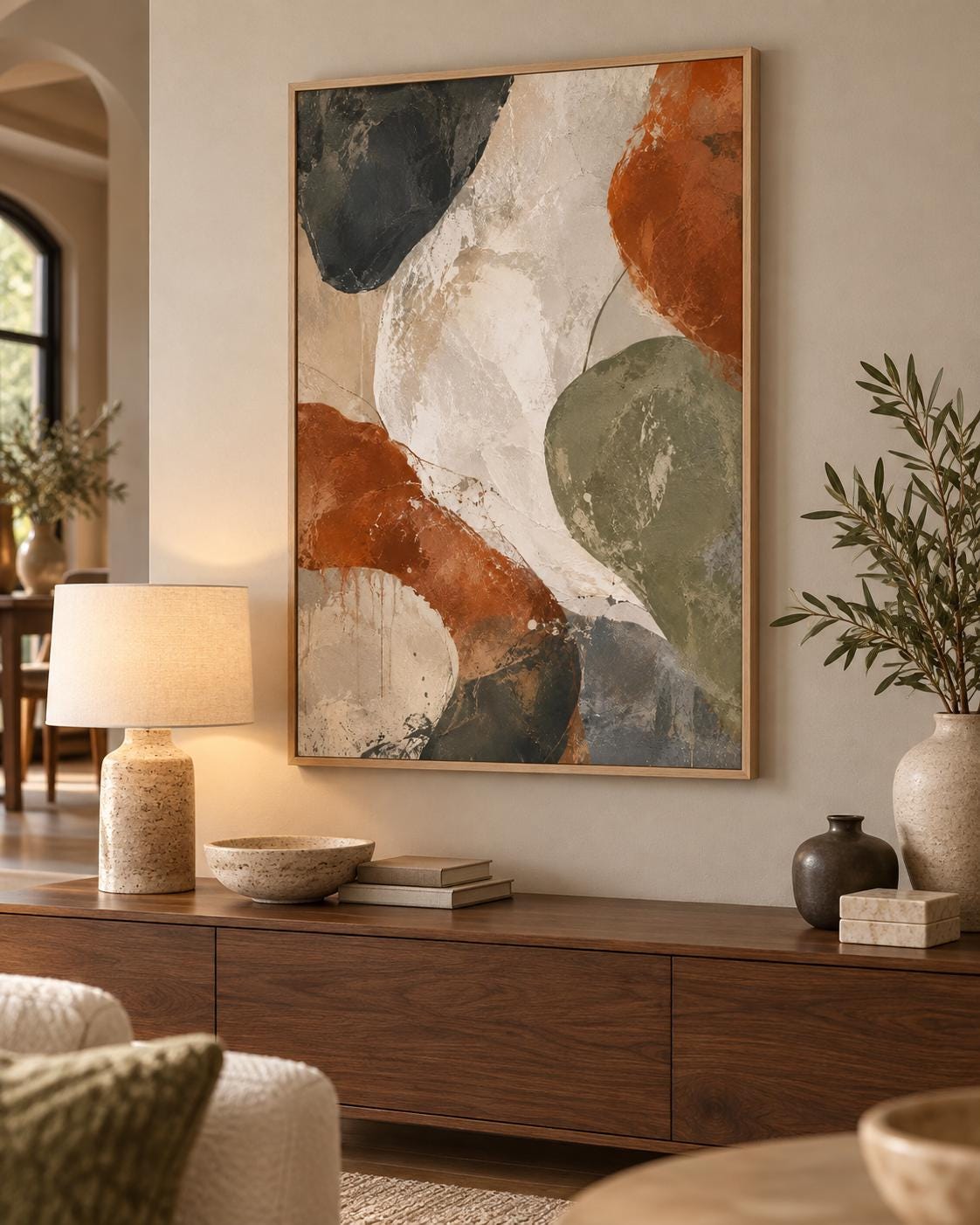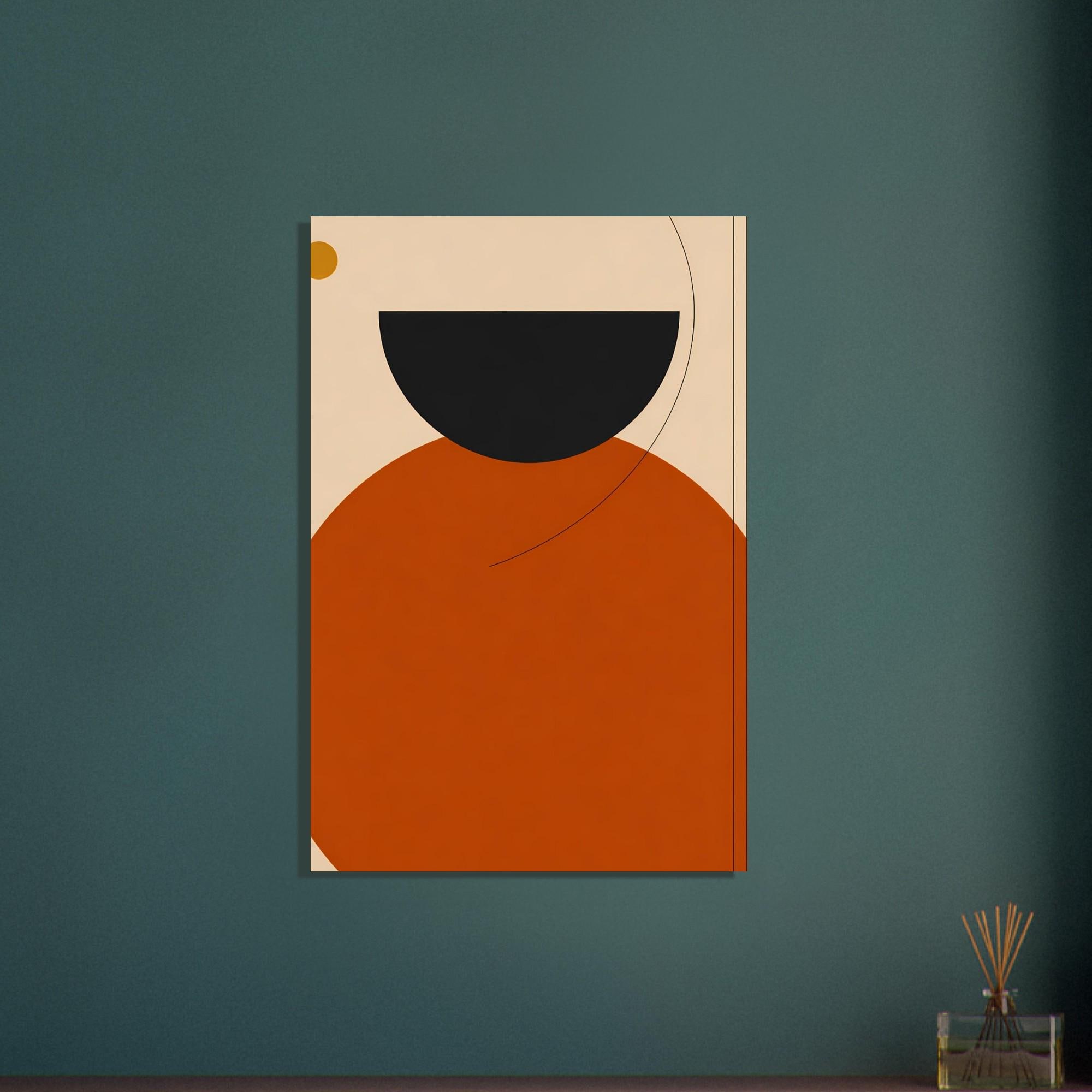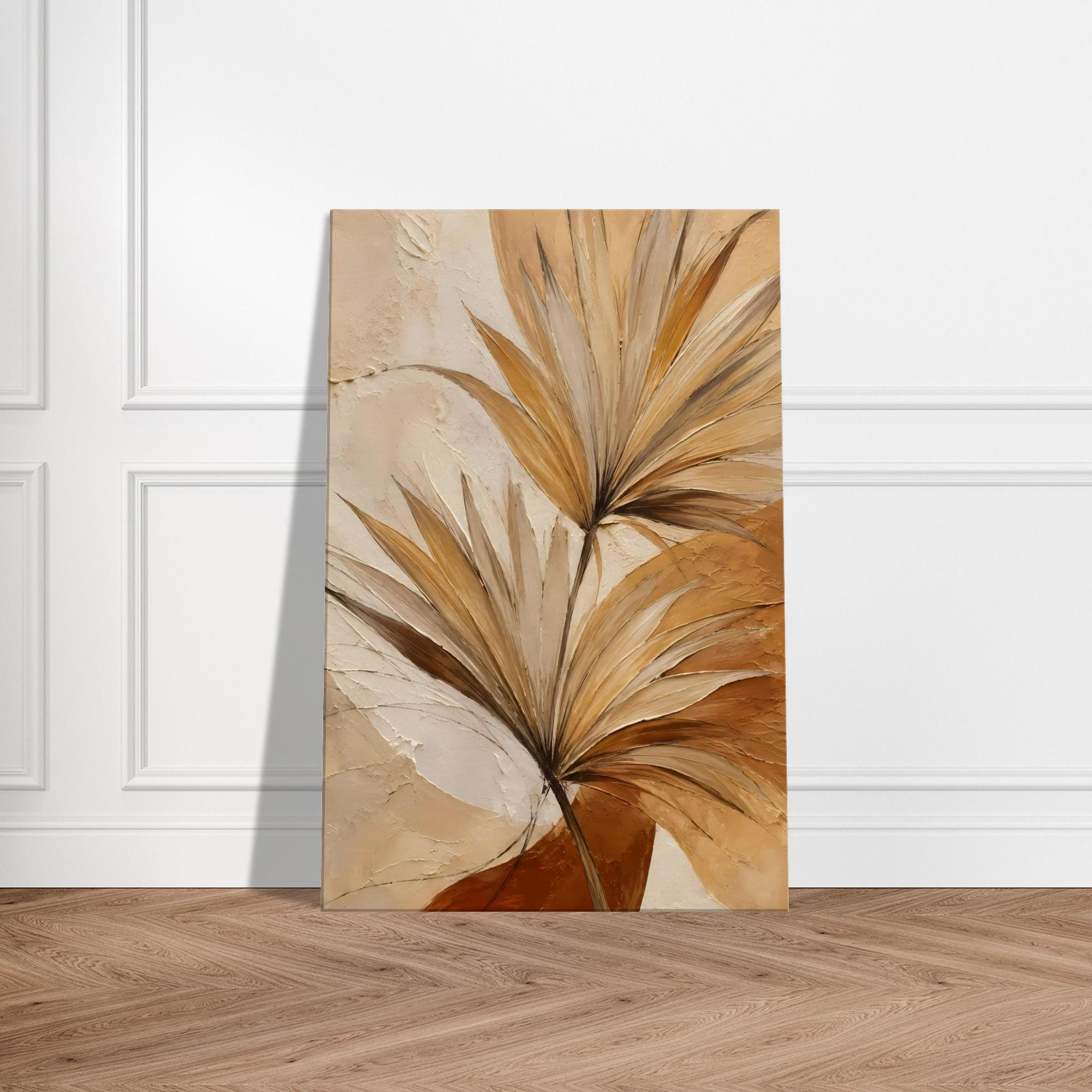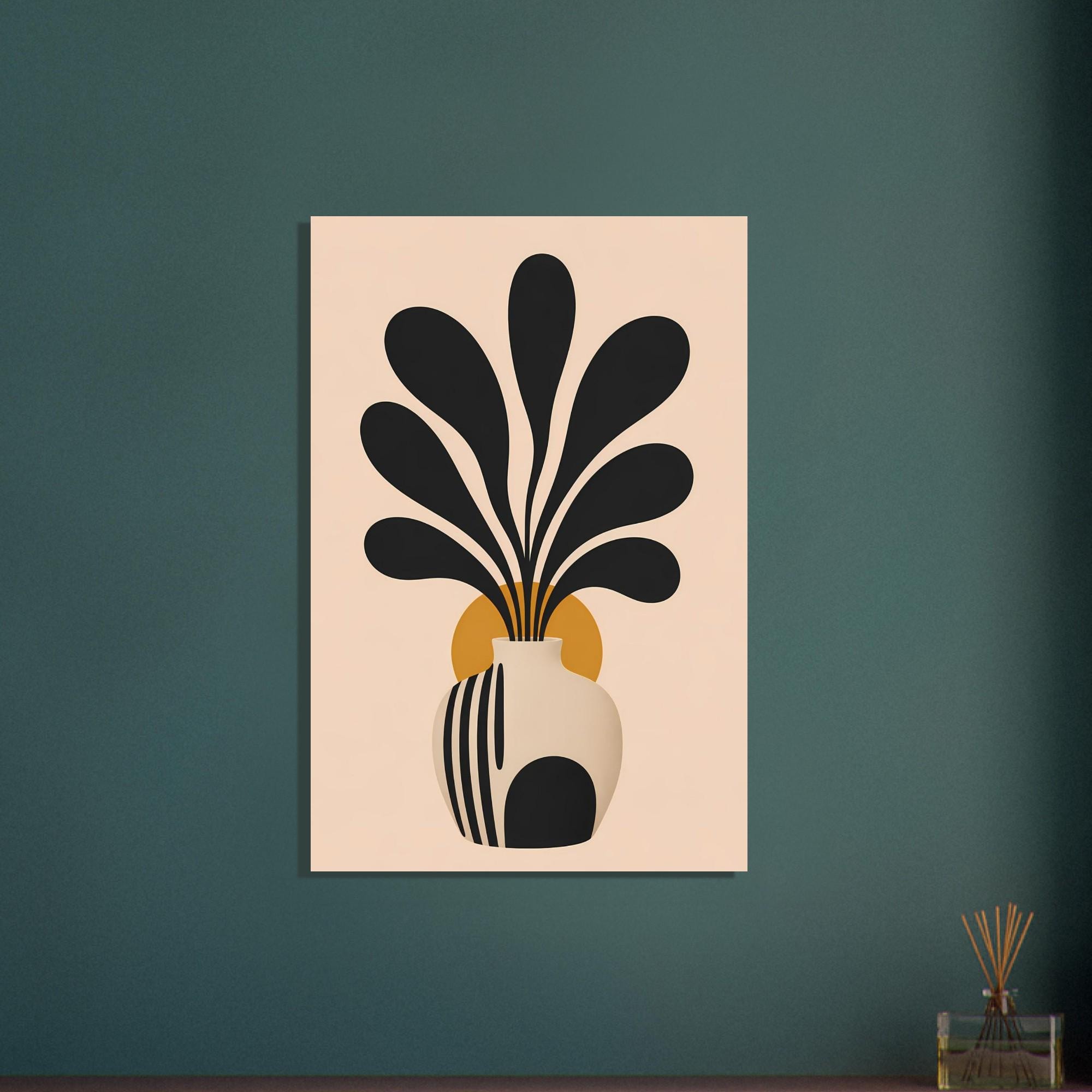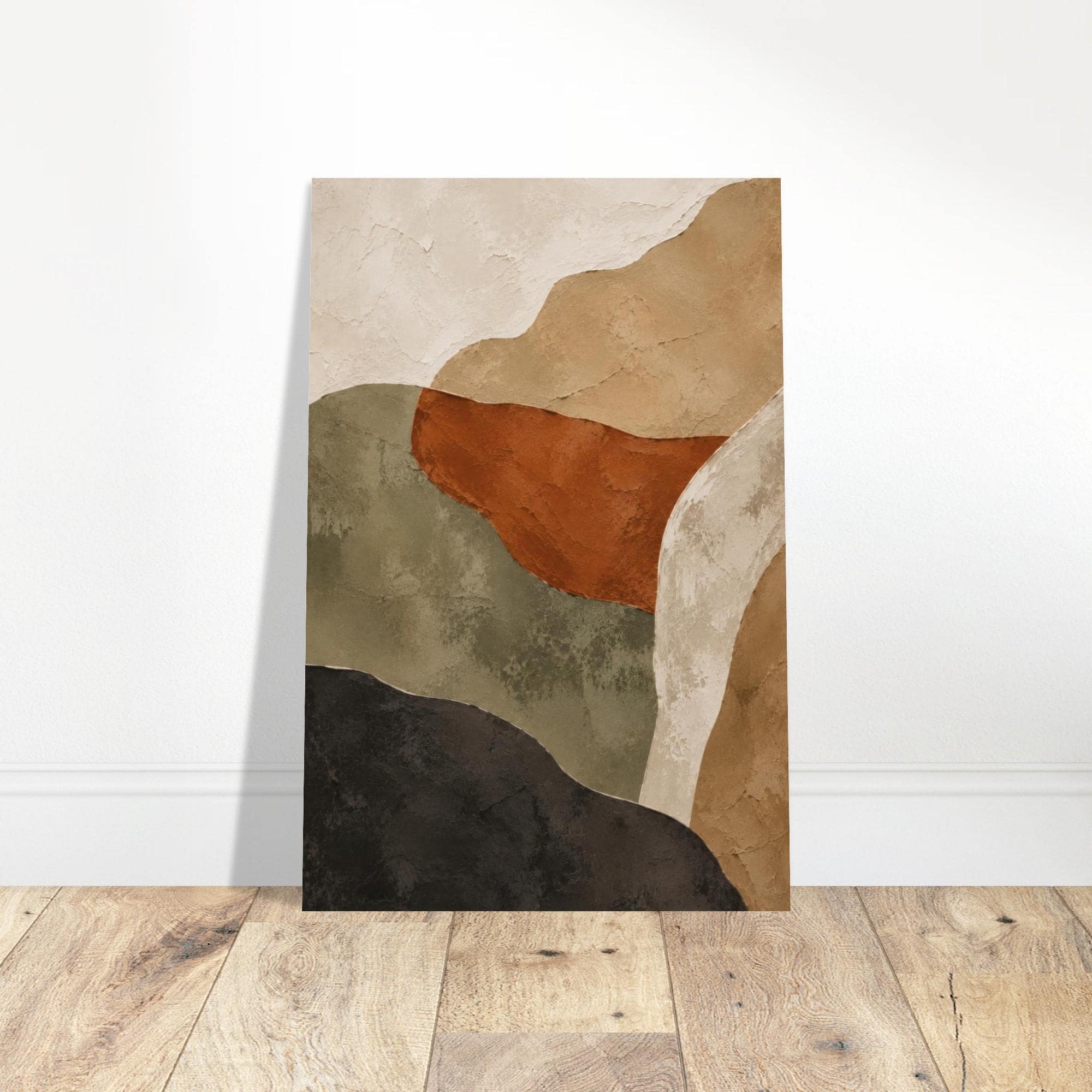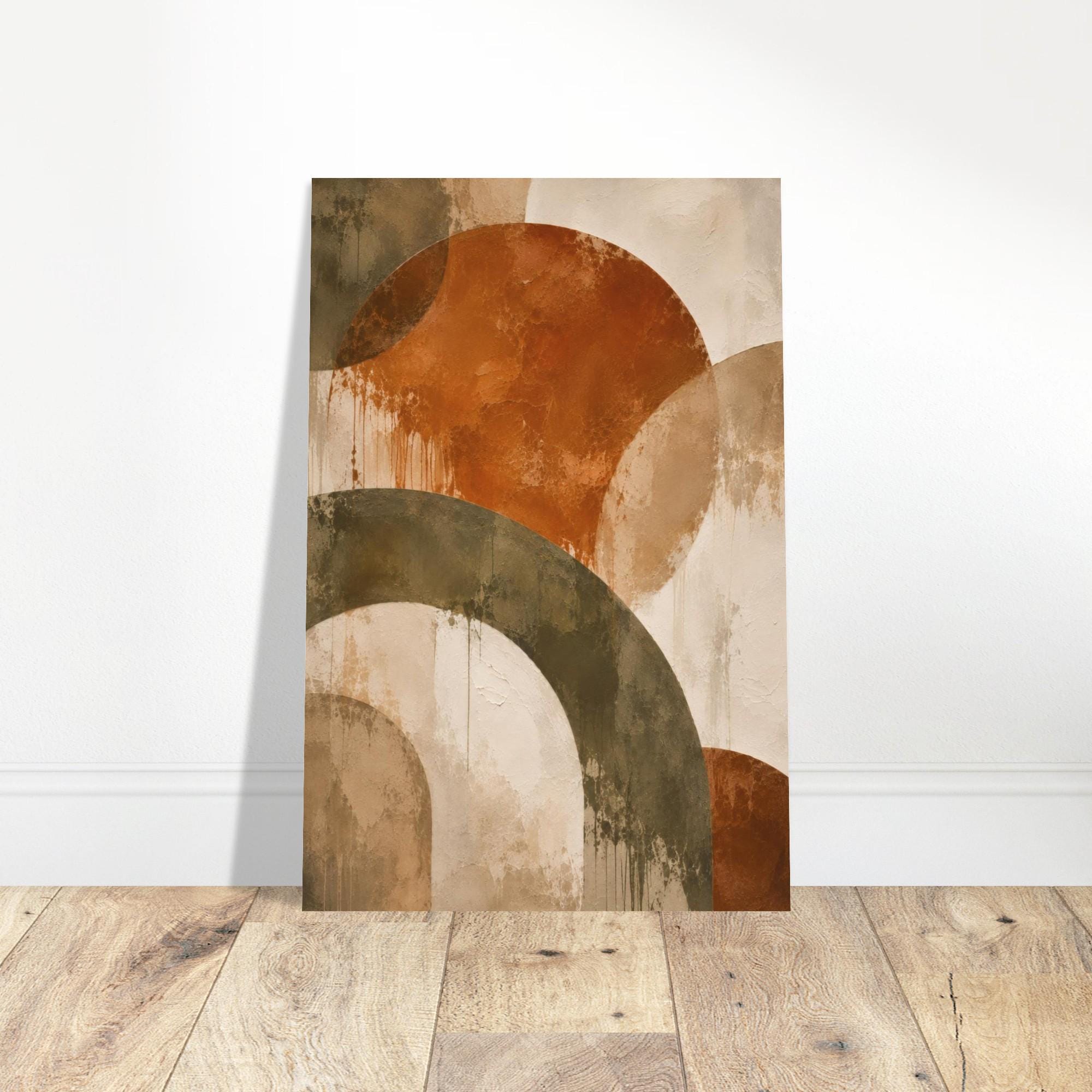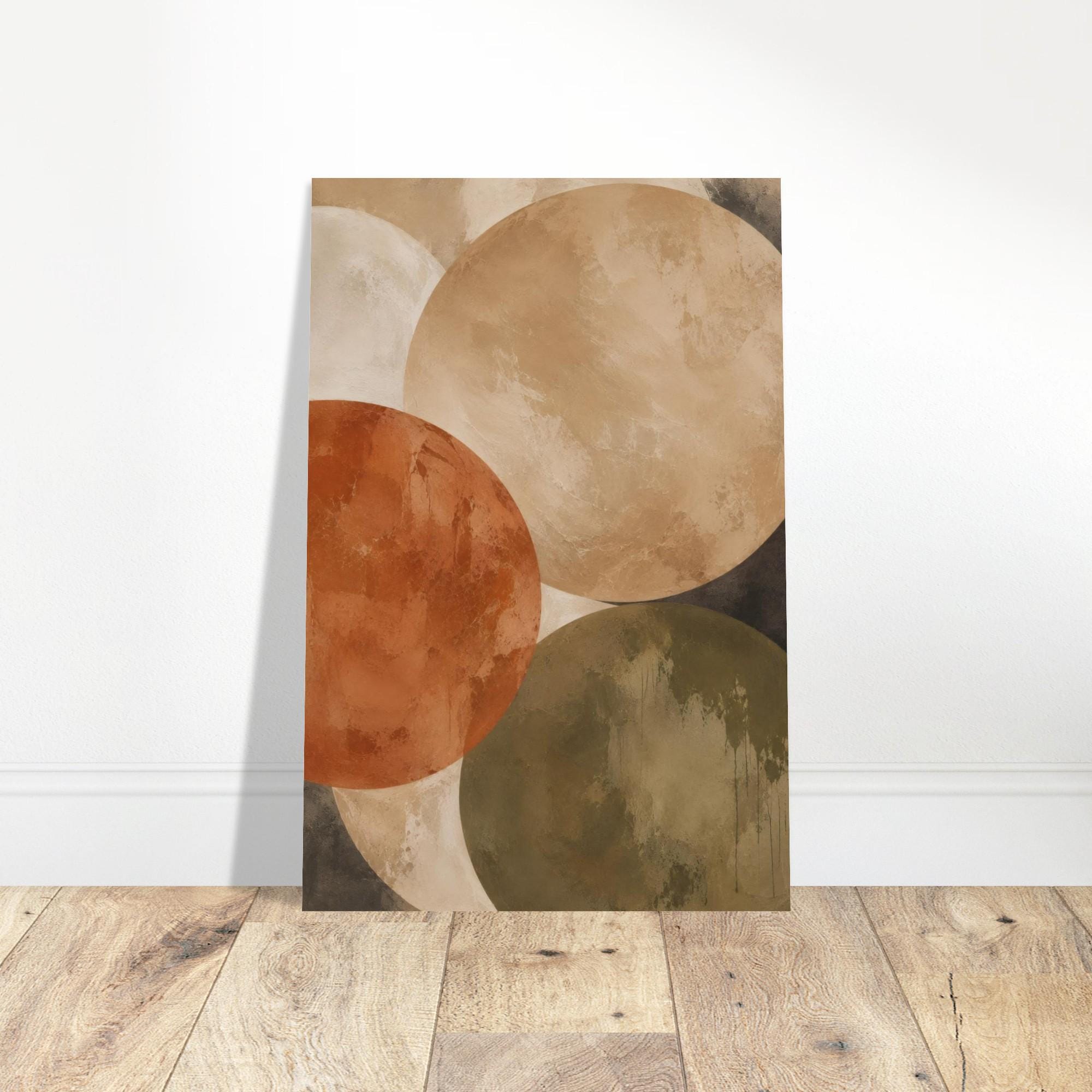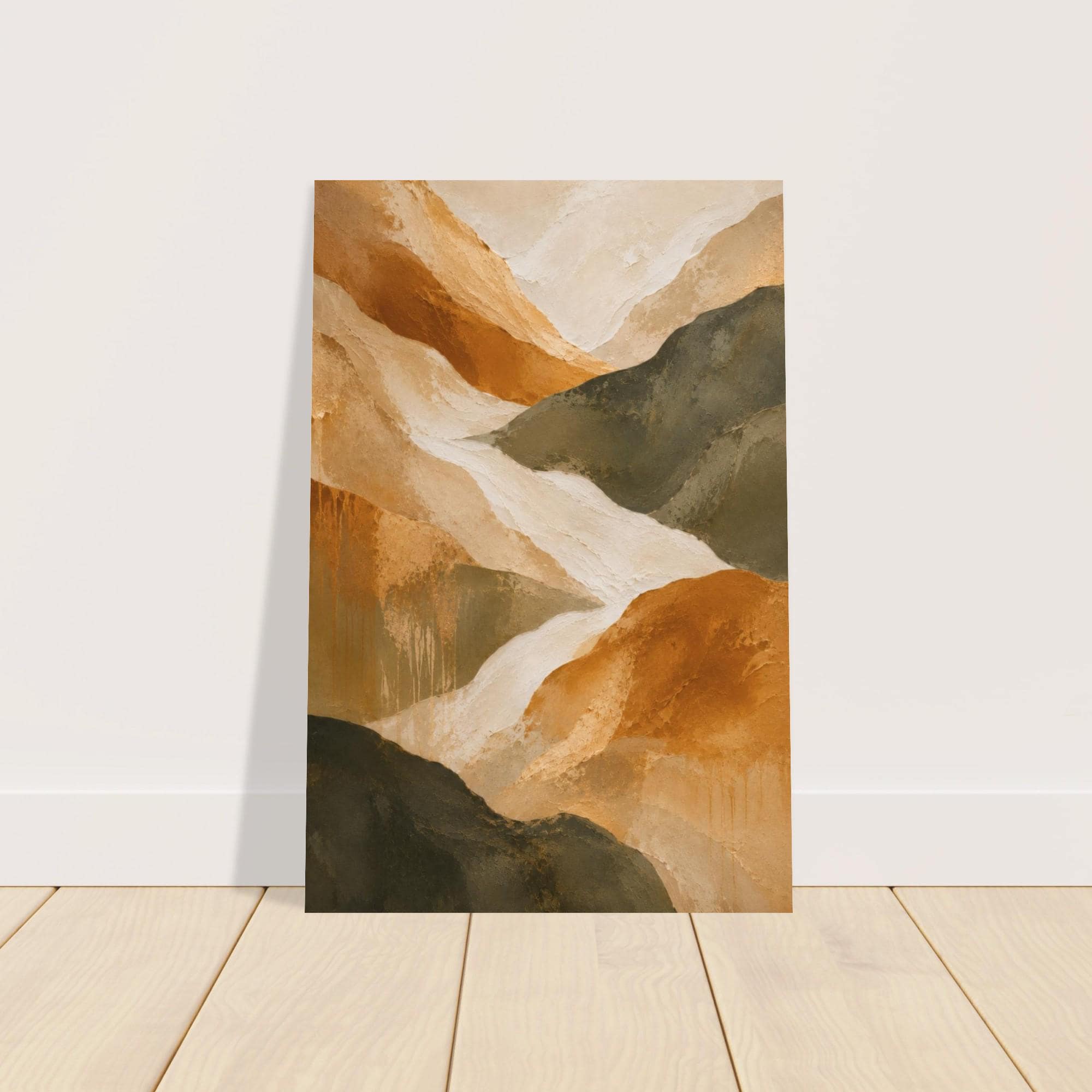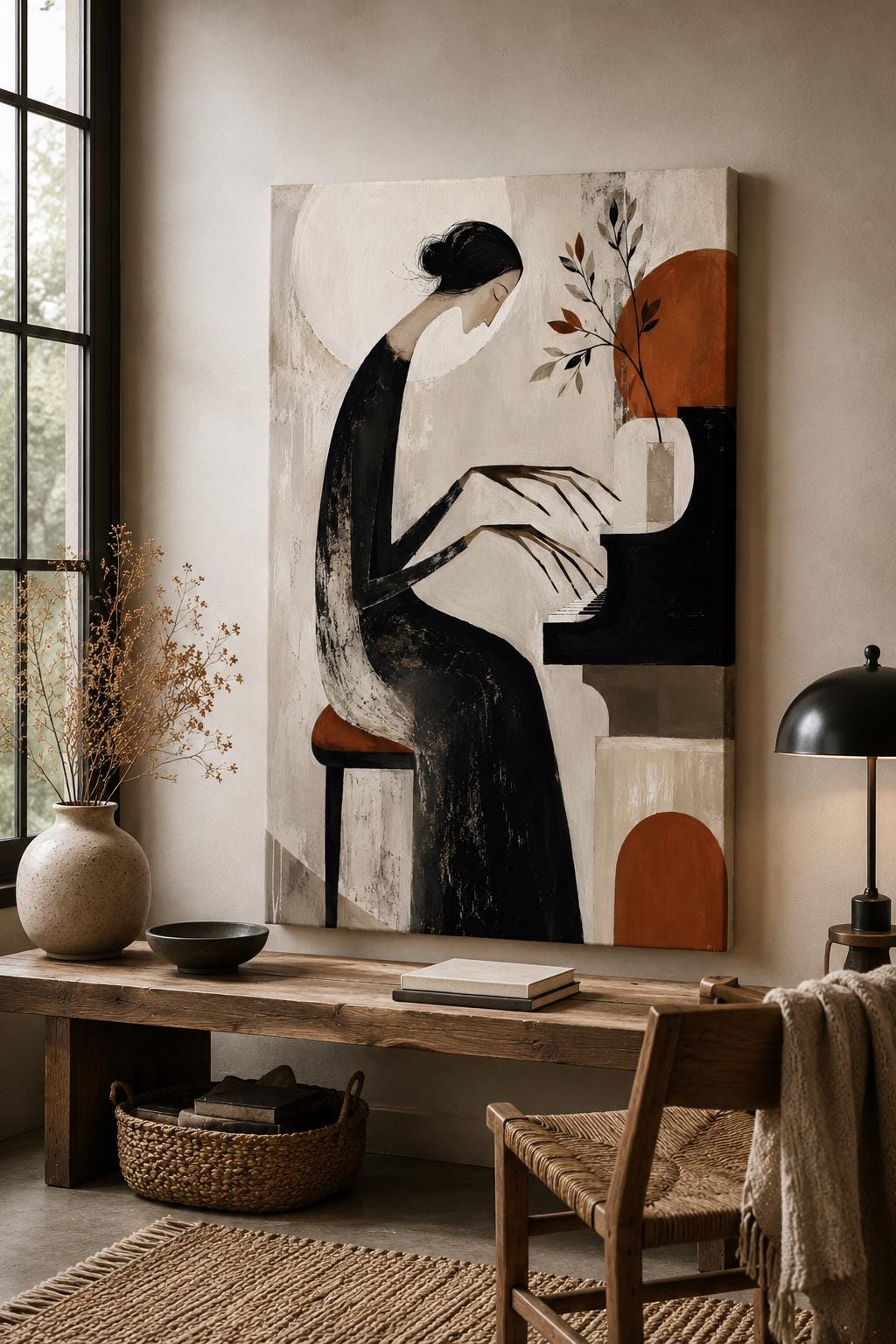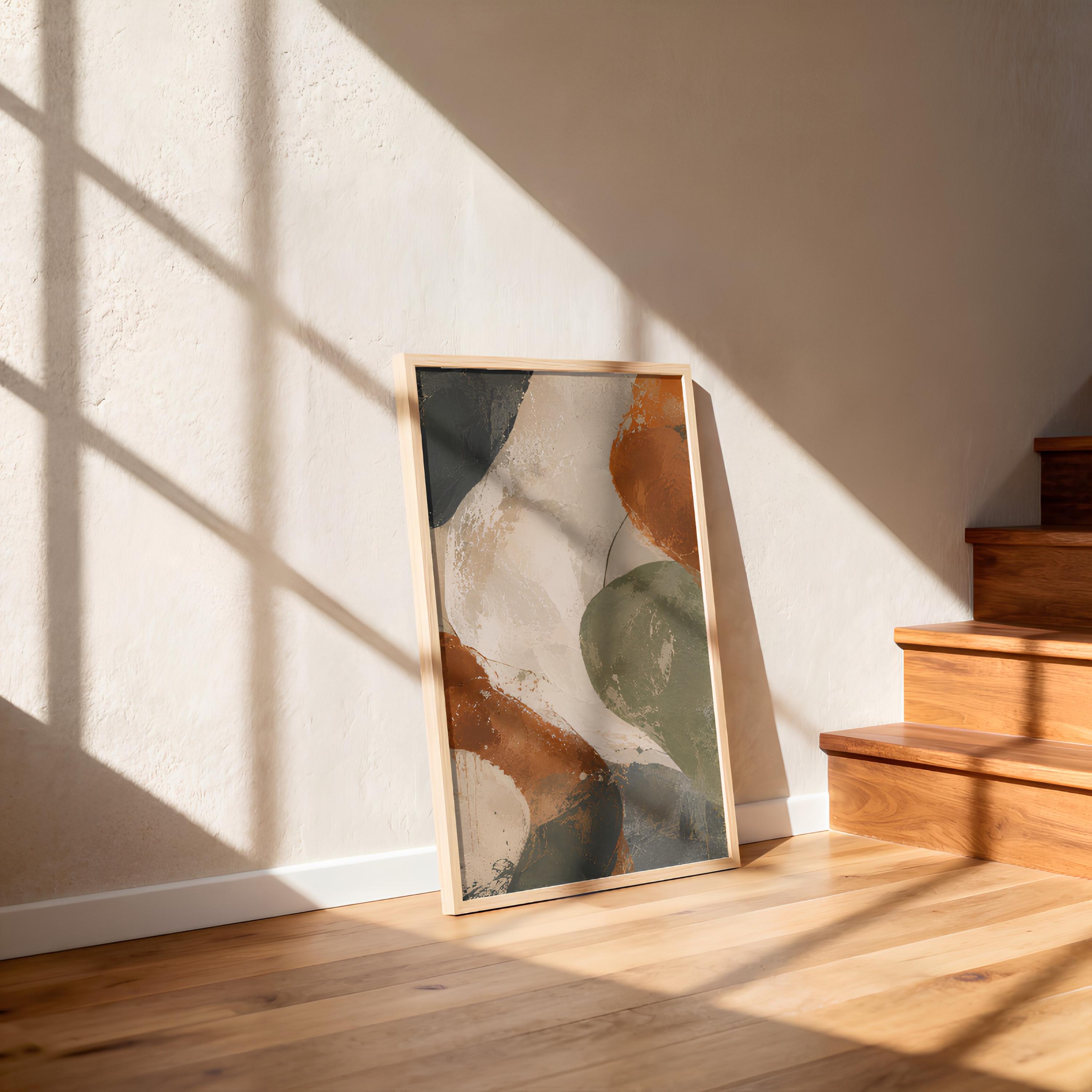
The right living room wall art can completely change how a space feels. It can make a neutral room feel warmer, give an empty wall a clear focal point, connect colors across your furniture and decor, or simply add more personality to the room you use most.
But choosing wall art for a living room is not only about finding an image you like. Size, placement, color, style, and the relationship between the artwork and your furniture all affect the final result.
Whether you are decorating a new home or refreshing a room that feels unfinished, this guide will help you choose living room wall art with more confidence.
Start With the Wall, Not the Artwork
Before choosing a print, look at the wall where it will hang.
A large empty wall usually needs more visual presence than a narrow section between a window and a bookcase. Likewise, the space above a sofa has different proportions from a small reading corner.
Consider what the wall needs to accomplish. Do you want one statement piece to become the focal point? Would two or three coordinated prints create better balance? Or does the room have enough furniture and decorative detail that a quieter piece would work better?
Thinking about the wall first helps narrow your choices before you become distracted by individual designs.
Choose the Right Size for Your Living Room
One of the most common decorating mistakes is choosing artwork that is too small for the wall or furniture beneath it.
A small print floating alone above a wide sofa can make both the artwork and the wall feel disconnected. A larger piece, or a coordinated group of prints, usually creates stronger visual balance.
When placing wall art above a sofa, console, sideboard, or other substantial piece of furniture, think of the artwork and furniture as one composition rather than separate objects.
The exact dimensions will depend on your room, but the goal is simple: the artwork should feel intentionally connected to the furniture without visually overpowering it.
If you are unsure about scale, use painter's tape to outline possible artwork sizes directly on the wall. This gives you a much clearer sense of proportion before making a decision.
Decide Between One Statement Piece and Multiple Prints
Both approaches can work beautifully in a living room.
A single large piece creates a clean focal point and works especially well in interiors where you want the artwork to have immediate impact. Abstract compositions, landscapes, bold geometric designs, and oversized botanical artwork can all work well as statement pieces.
Multiple prints create a different effect. A pair can introduce symmetry, while three coordinated artworks can fill a wider wall without relying on one oversized piece.
A gallery wall offers even more flexibility. It can combine different subjects, colors, and styles, but the overall arrangement should still have something that connects the pieces. That connection might be a shared color palette, similar visual style, consistent spacing, or a common theme.
Match the Art to the Mood of the Room
Your living room already has a visual personality, even if you have never deliberately defined it.
Look at the furniture, rugs, lighting, materials, and architectural details. Then decide whether your wall art should reinforce that atmosphere or introduce contrast.
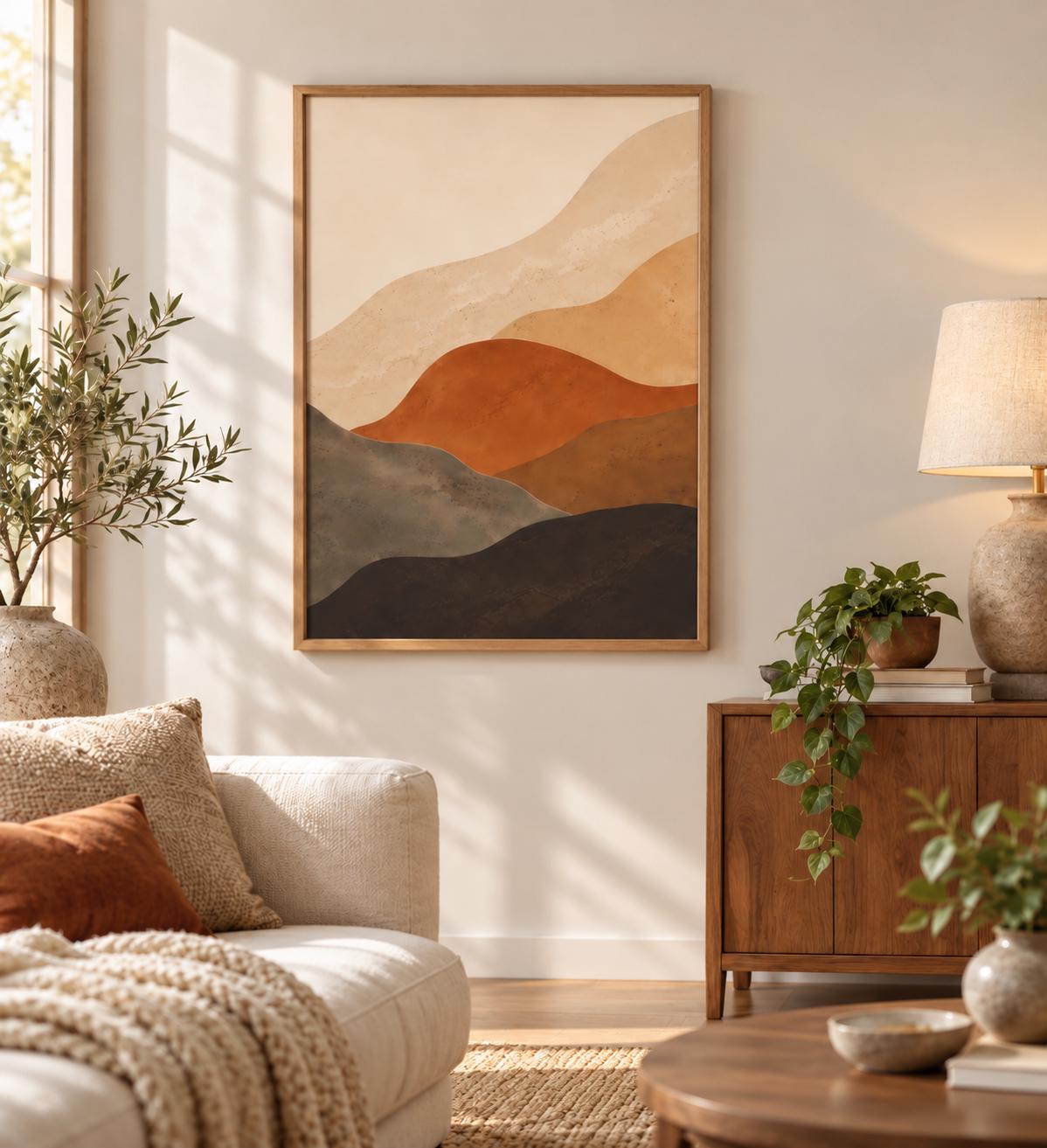
Mid century modern wall art can work naturally with warm wood furniture, clean silhouettes, vintage-inspired pieces, and earthy colors.
Bauhaus-inspired geometric artwork can introduce stronger shapes and graphic structure to modern rooms.
Abstract wall art is highly versatile and can work in contemporary, organic modern, minimalist, and eclectic interiors depending on its palette and composition.
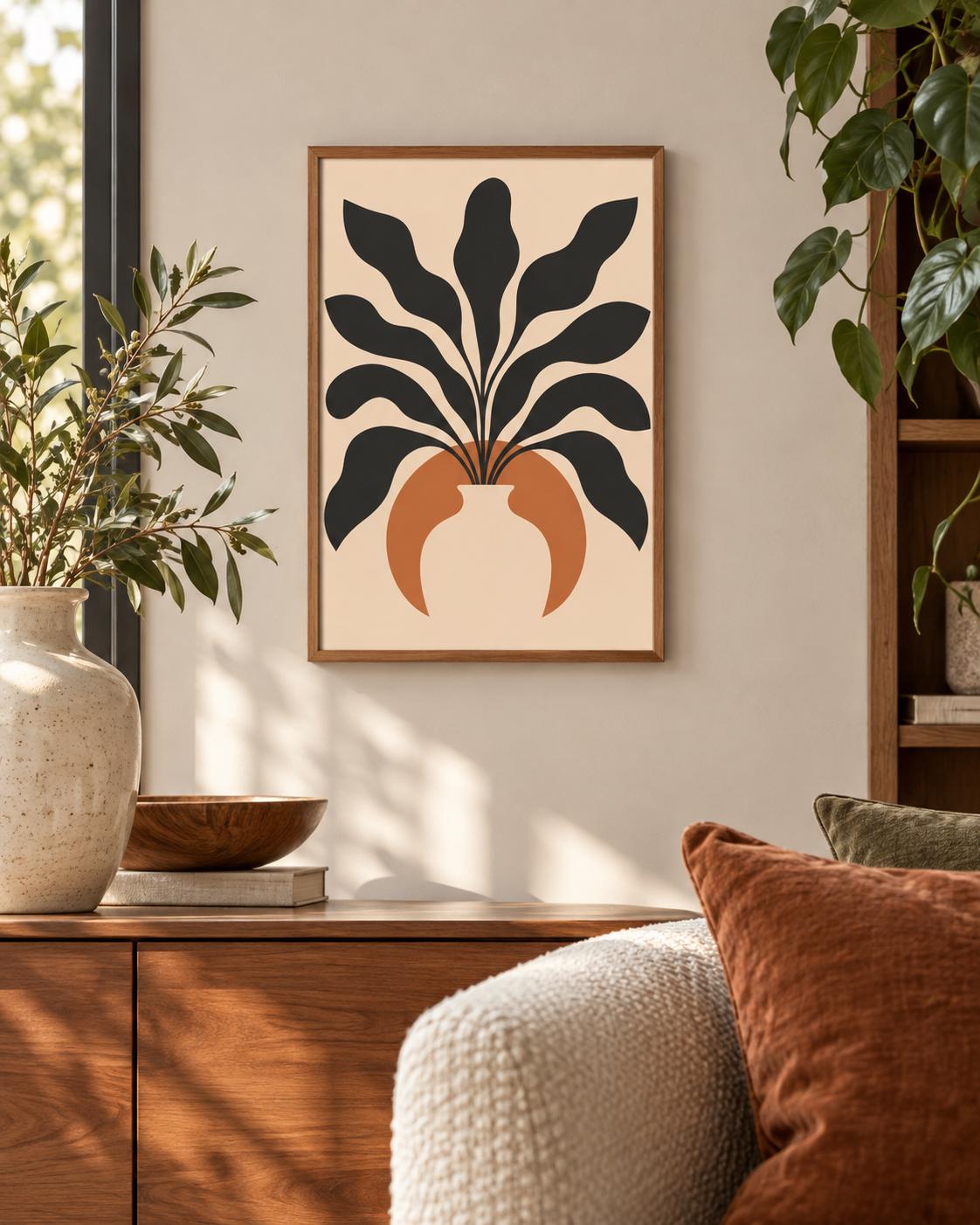
Botanical and nature-inspired prints can soften rooms with hard surfaces and simple furniture.
Art Deco-inspired artwork can introduce more drama and sophistication through geometric forms and luxurious visual details.
The goal is not to make every object in the room match. A successful interior usually feels coordinated rather than identical.
Use Color to Connect the Artwork With the Room
Wall art does not need to contain every color already present in your living room.
Instead, look for one or two visual connections.
For example, a terracotta detail in a print might relate to a rust-colored pillow. Beige and brown artwork can complement natural wood furniture. Black geometric elements can connect with dark lighting fixtures or furniture legs.
You can also deliberately use artwork to introduce a new accent color.
In a mostly neutral living room, burnt orange, deep green, burgundy, blue, or warm yellow artwork can create a focal point without requiring you to redesign the entire space.
If your room already contains several strong colors or patterns, quieter artwork may provide better balance.
Consider the Space Above the Sofa
The wall above the sofa is one of the most important locations for living room wall art.
Because the sofa is usually one of the largest pieces of furniture in the room, artwork placed above it naturally becomes part of the main visual composition.
A wide sofa can support a large horizontal composition, one substantial vertical print, a balanced pair, or a carefully arranged group of artworks.
Avoid placing a very small piece in the center of a large empty area. Even beautiful artwork can look underwhelming when the scale is wrong.
Also consider the distance between the artwork and the sofa. The two should feel visually connected rather than appearing as unrelated objects on the same wall.
Choose Art That Works With Your Interior Style
You do not have to follow decorating labels strictly, but understanding a few common styles can make searching for wall art easier.
For a mid century modern living room, look for geometric forms, retro color palettes, organic shapes, and vintage-inspired compositions.
For Scandinavian interiors, softer colors, botanical subjects, minimalist compositions, and understated geometric artwork can work well.
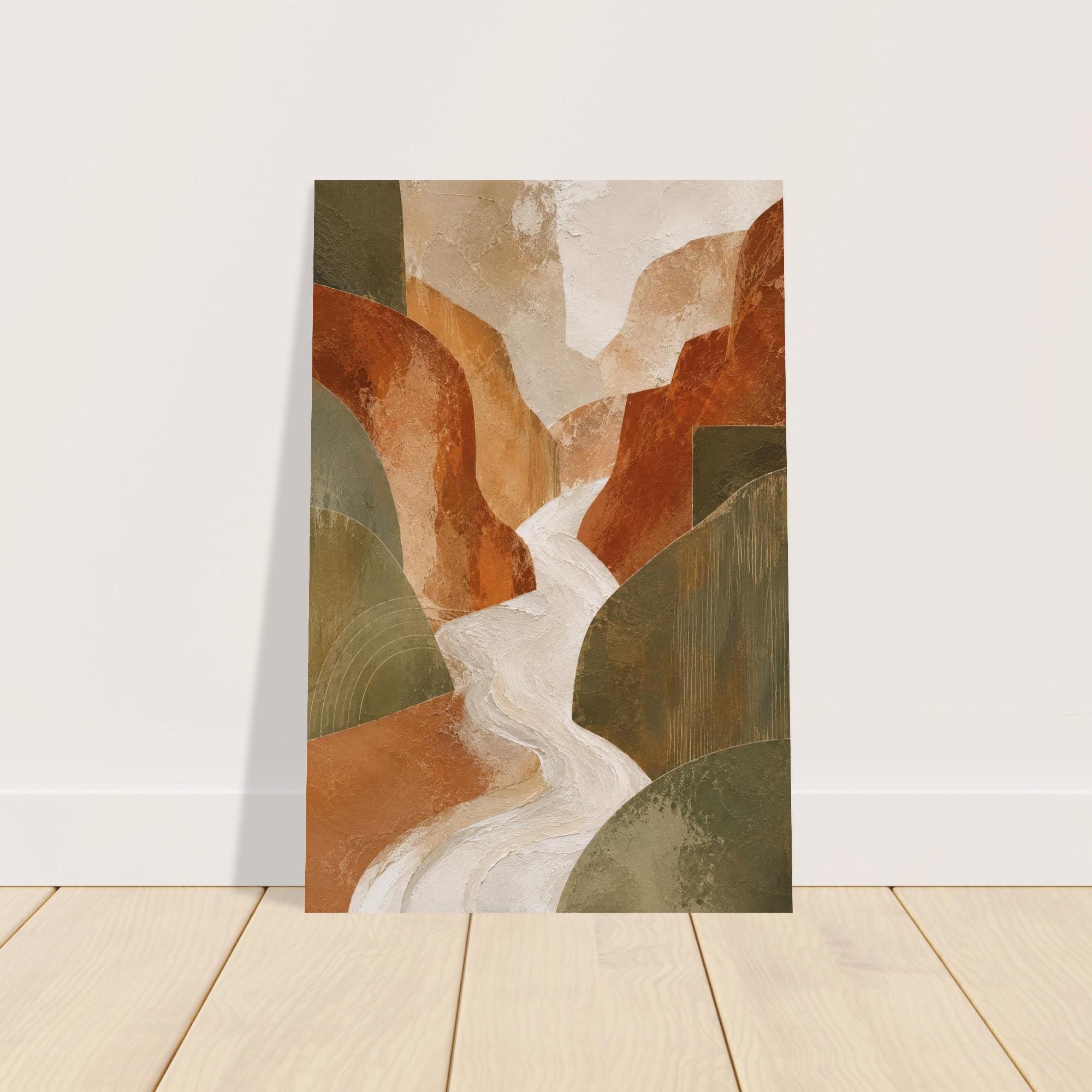
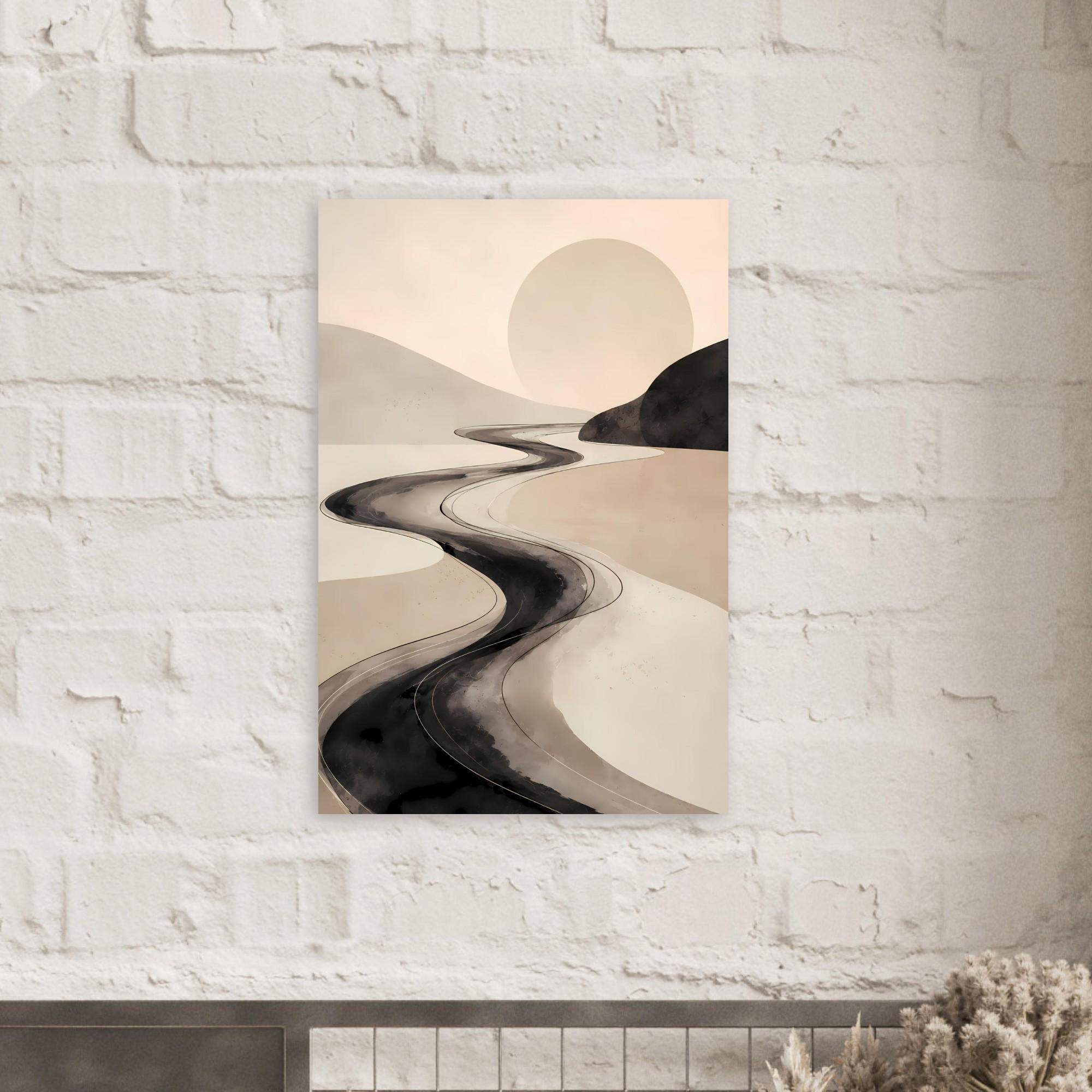
For Japandi and organic modern rooms, consider earth tones, natural forms, landscapes, textured abstract artwork, and warm neutrals.
For eclectic or retro interiors, bolder colors and expressive designs can become part of the room's personality.
For contemporary spaces, abstract, architectural, geometric, and minimalist artwork can create a polished finish without making the room feel overly themed.
Mix Styles Carefully
Your living room does not need to contain artwork from only one design movement.
A modern room can include a vintage-inspired print. A mid century space can incorporate Bauhaus geometry. A minimalist room can use one expressive abstract piece as its focal point.
When mixing styles, create consistency somewhere else.
Color is one of the easiest ways to do this. Two artworks from different styles can still feel related if they share warm neutrals, terracotta, black, green, or another recurring color.
Scale and spacing can also create visual order. Even a varied collection feels more intentional when the arrangement itself is balanced.
Think About Viewing Distance
Living room artwork is often viewed from farther away than art in a hallway, office, or small bedroom.
That means composition matters.
Strong silhouettes, recognizable shapes, clear contrast, and larger visual elements often remain effective from across the room. Extremely intricate artwork may be beautiful up close but have less impact when viewed from the opposite side of a large living space.
Consider where you will usually see the artwork: from the sofa, from an adjacent dining area, or when entering the room.
This can help determine whether you need something visually bold or something quieter and more detailed.
Poster or Canvas?
The format also influences how artwork feels in a room.
Posters and art prints are flexible choices and can work with many framing styles. The frame itself can become part of the interior design, whether you prefer black, white, natural wood, or another finish.
Canvas art creates a different presentation and can work well when you prefer artwork with more physical presence on the wall.
Neither format is universally better. The right choice depends on the artwork, your interior, and the type of presentation you prefer.
Build Around Art You Actually Want to See
Decorating rules are useful for scale, spacing, and balance, but the artwork still has to feel personal.
Your living room is a space you see every day. Choosing artwork only because it matches the sofa perfectly can result in a room that looks coordinated but feels impersonal.
Start with pieces you genuinely enjoy, then use color, size, placement, and surrounding decor to integrate them into the room.
Explore Living Room Wall Art at Voche Gallery
Voche Gallery offers wall art across a range of interior styles, including mid century modern, Bauhaus, abstract, botanical, Art Deco, retro, coastal, and nature-inspired designs.
If your living room needs a bold focal point, explore geometric and abstract artwork with stronger shapes and color. For a calmer interior, consider earth-tone landscapes, botanical compositions, or neutral abstract designs.
You can also combine related pieces to create a pair, a coordinated arrangement, or a larger gallery wall.
The best living room wall art should do more than fill an empty space. It should feel proportionate to the room, work naturally with the surrounding furniture and colors, and add something you genuinely enjoy seeing every day.